Merging two products into one without losing educators along the way
Year
2024–2025
Timeline
13 months
Industry
Edtech
Company
Everyday Speech
Team
1 Product Designer, 5 Engineers, 1 Product Manager
Tools
 Figma
 Userpilot
 Dovetail
Summary
Everyday Speech gives educators and speech-language pathologists ready-to-teach lessons on social and emotional skills. I led design for merging its two curriculum products into one platform. I also designed the release that moved about 55,000 users onto it. The merger let the company sell one product, with every lesson on every plan.
Impact
Every educator got every lesson without losing their work
Full access
Every lesson, every plan
Split licenses ended, so every user got both curricula.
Opted in early
16,106
Educators chose the new platform before the mandatory switch.
Stayed
92.4%
Of early adopters kept the new platform over the old one.
Ease of use
80.4 / 100
Ease-of-use score from 14 educators, inside our target.
The Problem
Our highest-paying customers juggled two separate platforms every day
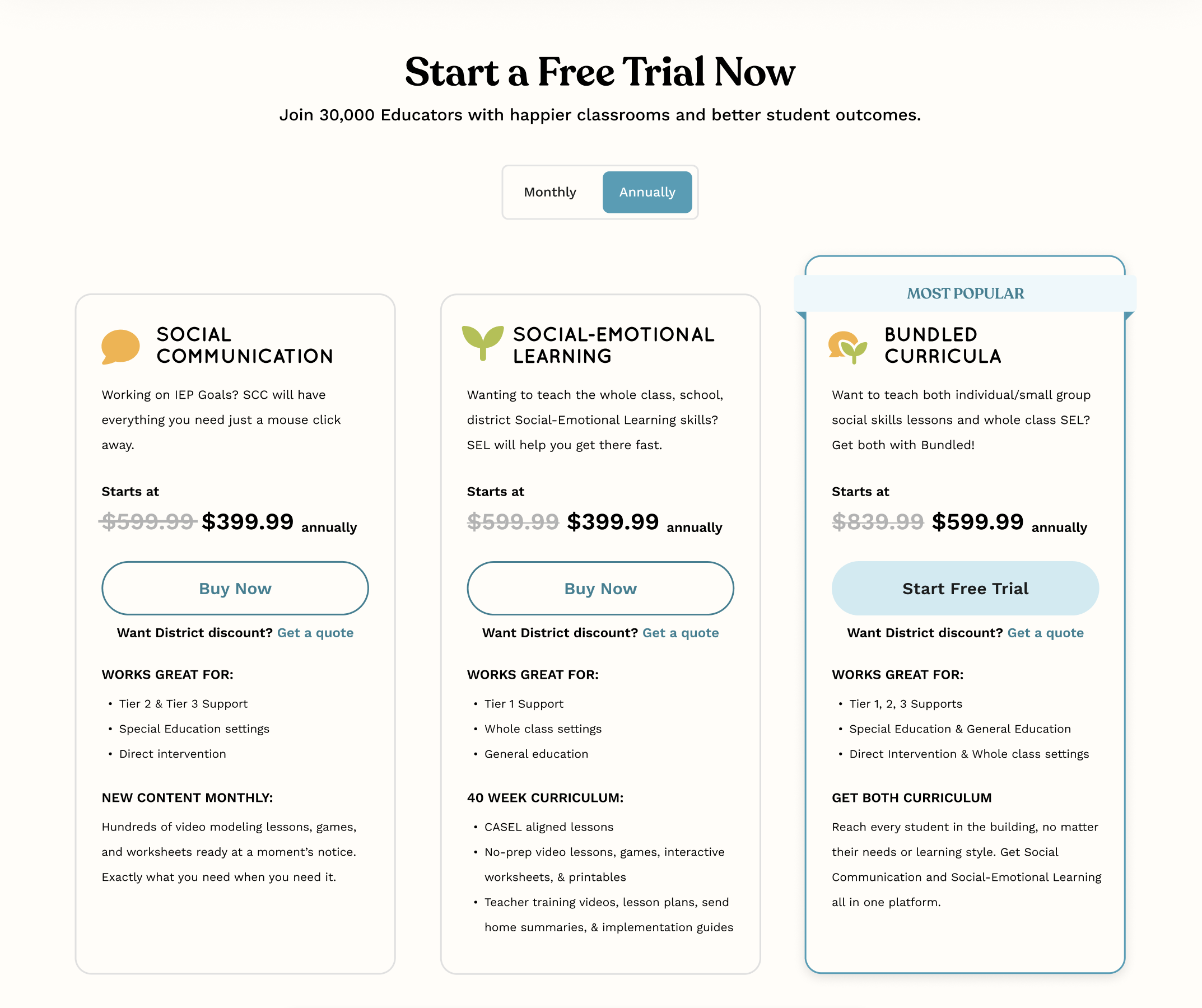
Bundle customers paid for both curricula but taught from two platforms, each with its own library and student profiles. Many searched for lessons we had already made.
Context
Leadership chose to sell one product, changing every educator's routine
In July 2024, leadership decided to sell one platform in place of three licenses. Educators teach 40+ students with about 20 minutes between sessions, often on routines built over years. A clumsy switch could leave them lost right before back-to-school.
Design Principles
The core principles that grounded my design direction
One library, no switching
Flipping between platforms was the original pain, so every lesson and tool lives in one place.
Protect the minutes between sessions
Educators have about 20 minutes to reset, so finding a lesson must be fast.
Nobody moves without choosing first
Educators get to try the change, and back out, before it becomes mandatory.
Solution
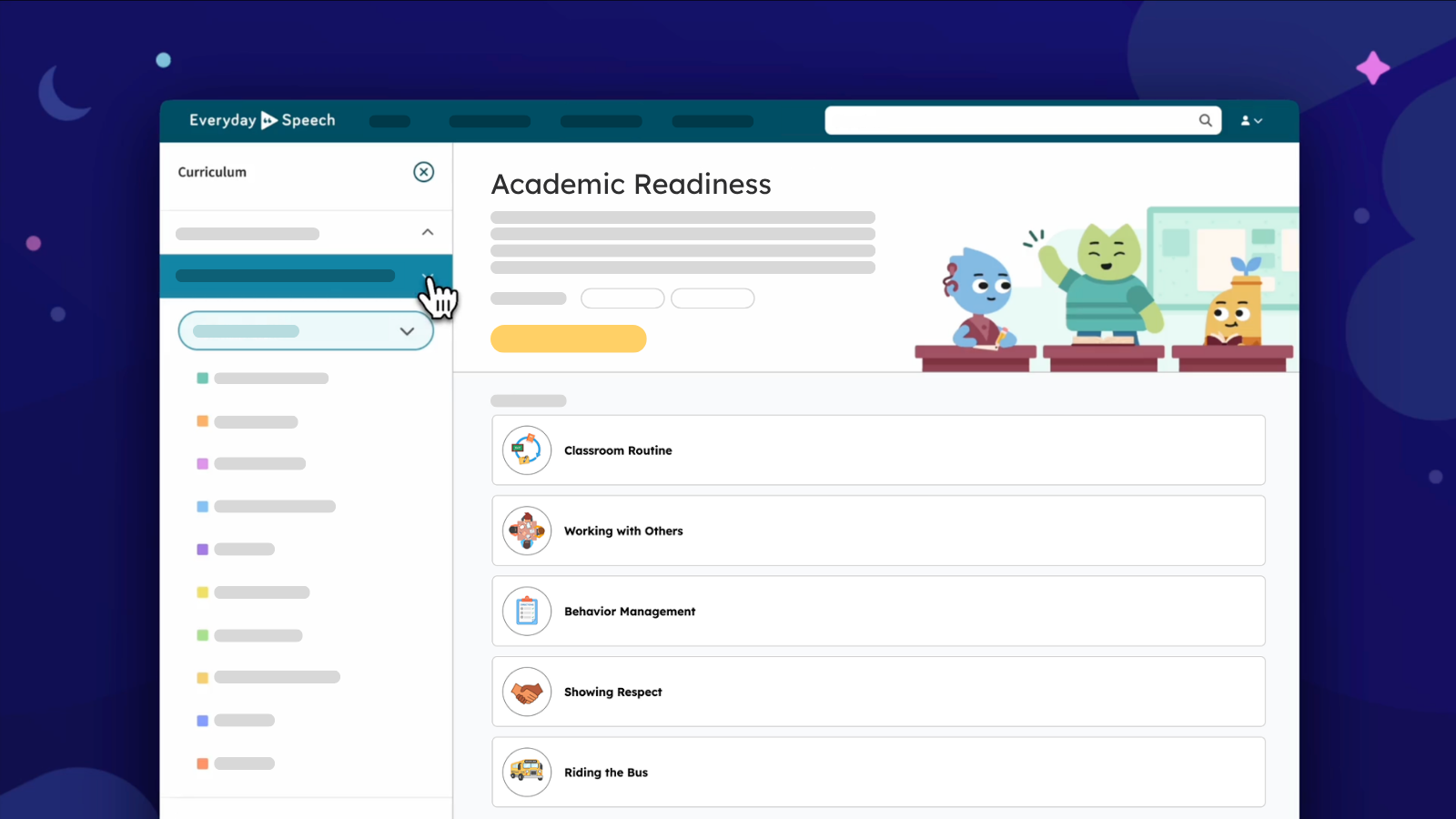
Every lesson and student profile now lives in one place
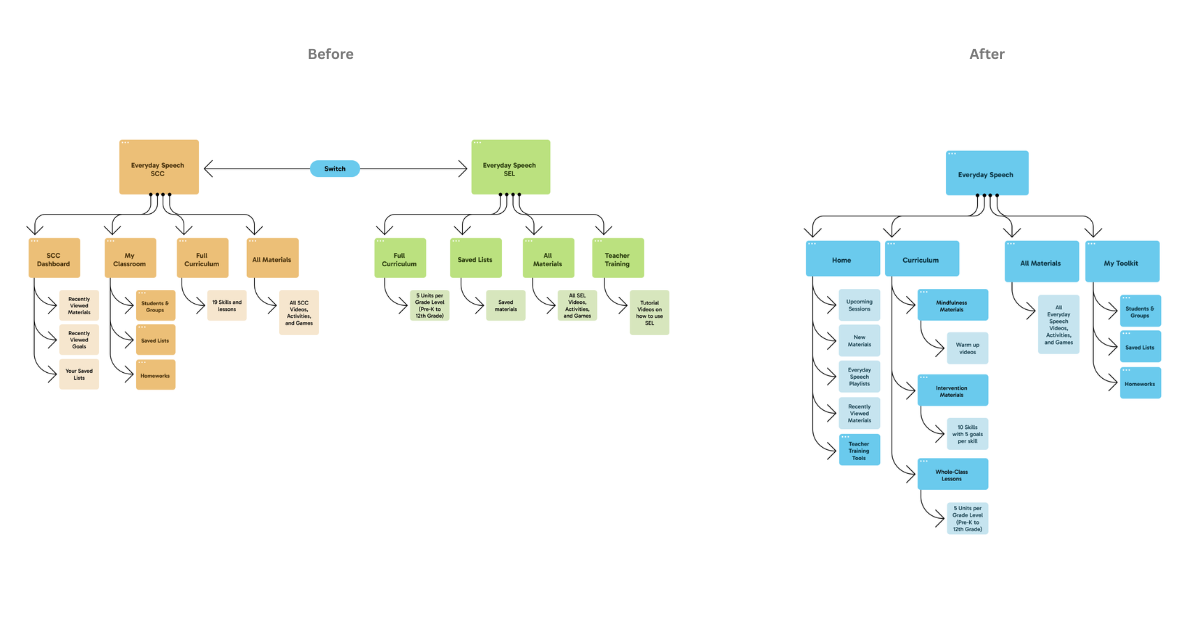
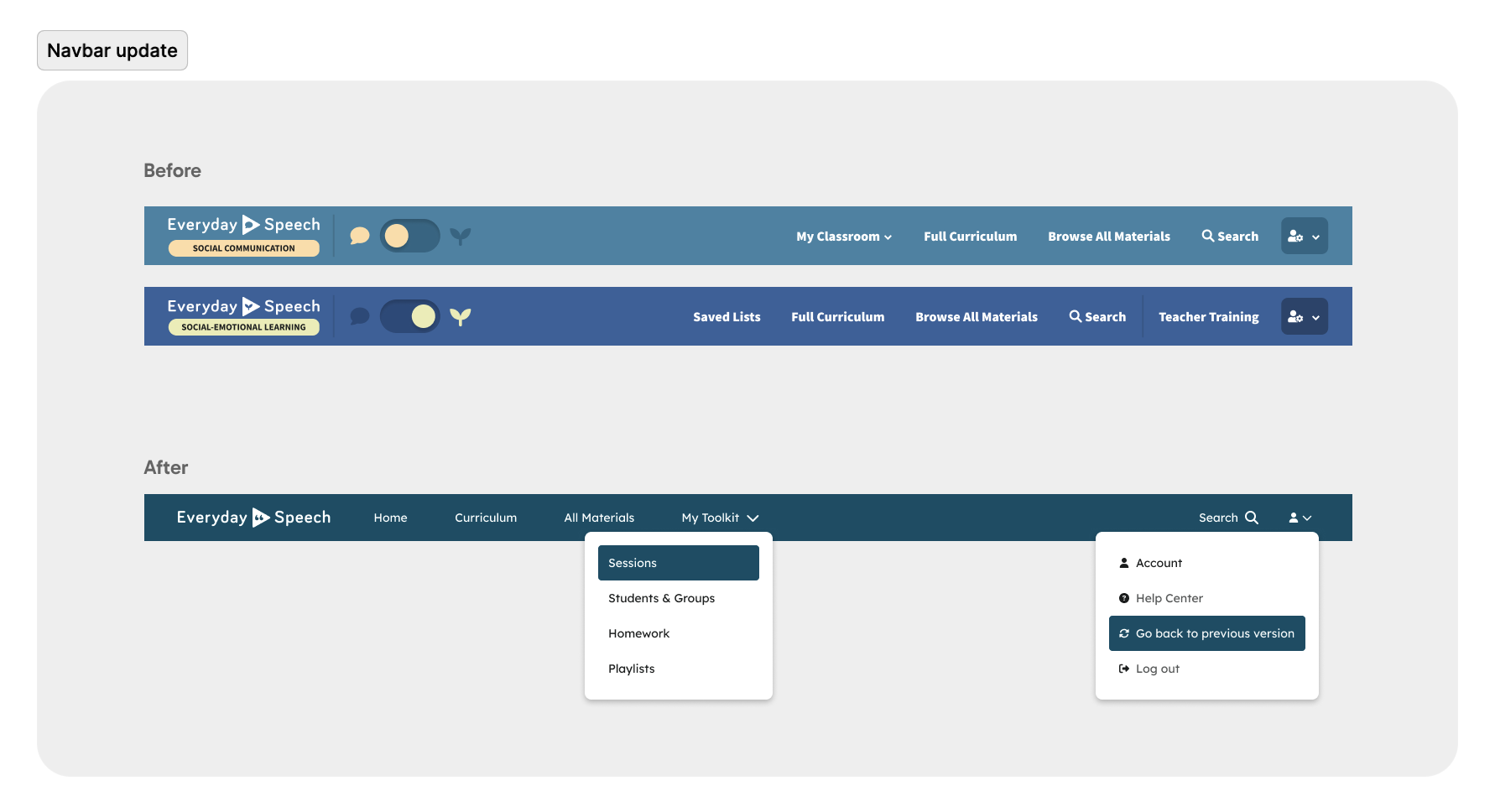
Before any screens, I mapped the new structure and got product and engineering to agree on it, which saved rework. I removed the switch between curricula. Homework, student and group profiles, and playlists from both platforms merged into one view.
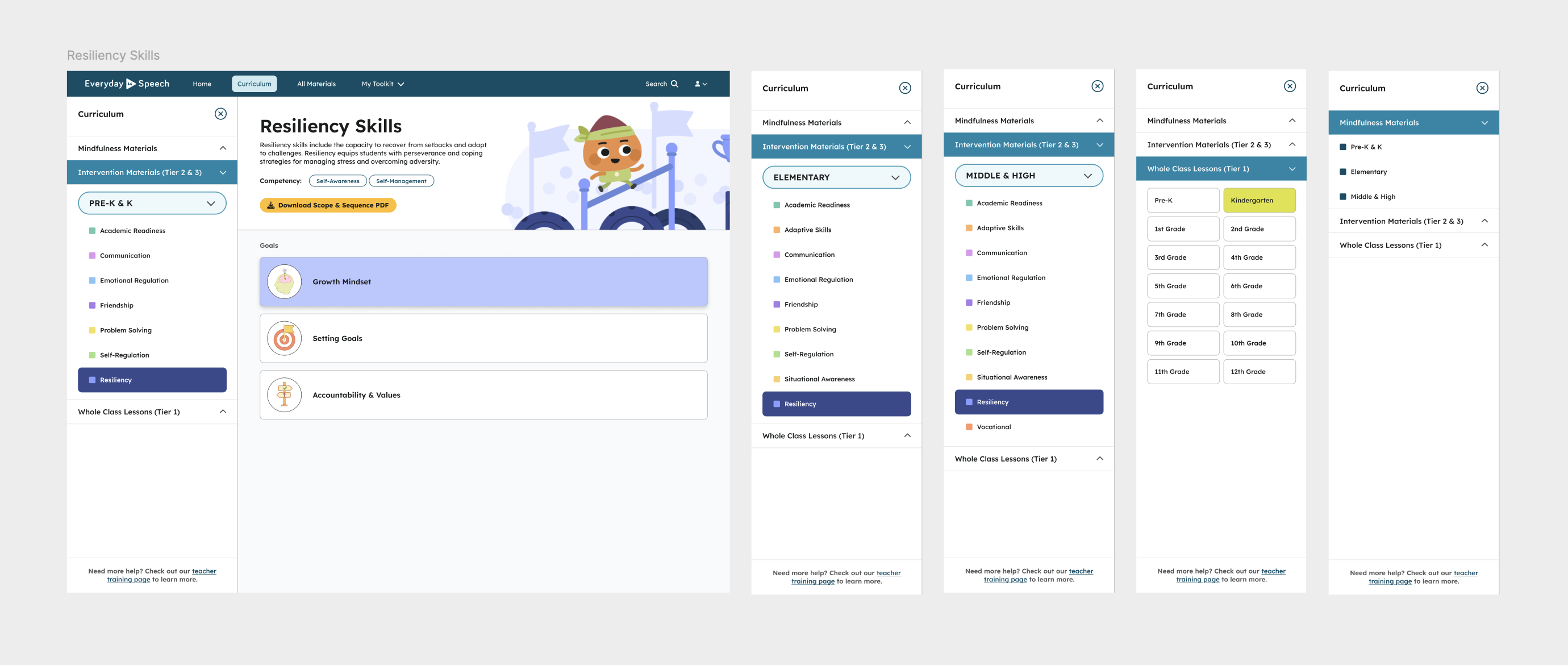
A sidebar helps educators find the right lesson by grade and skill
The two curricula got plain names: Intervention Materials and Whole Class Lessons. In testing, 14 educators rated it 80.4 out of 100 for ease of use, and every task beat our target. They named the missing switch as the biggest win.
Educators tried it early, and everyone else got a guided tour
For 3 months, a banner on the old platforms invited educators to try the new one. They could switch back in Settings. On August 1, everyone moved. I designed an announcement and an interactive walkthrough in Userpilot so every educator could find where things now live.
Tradeoffs
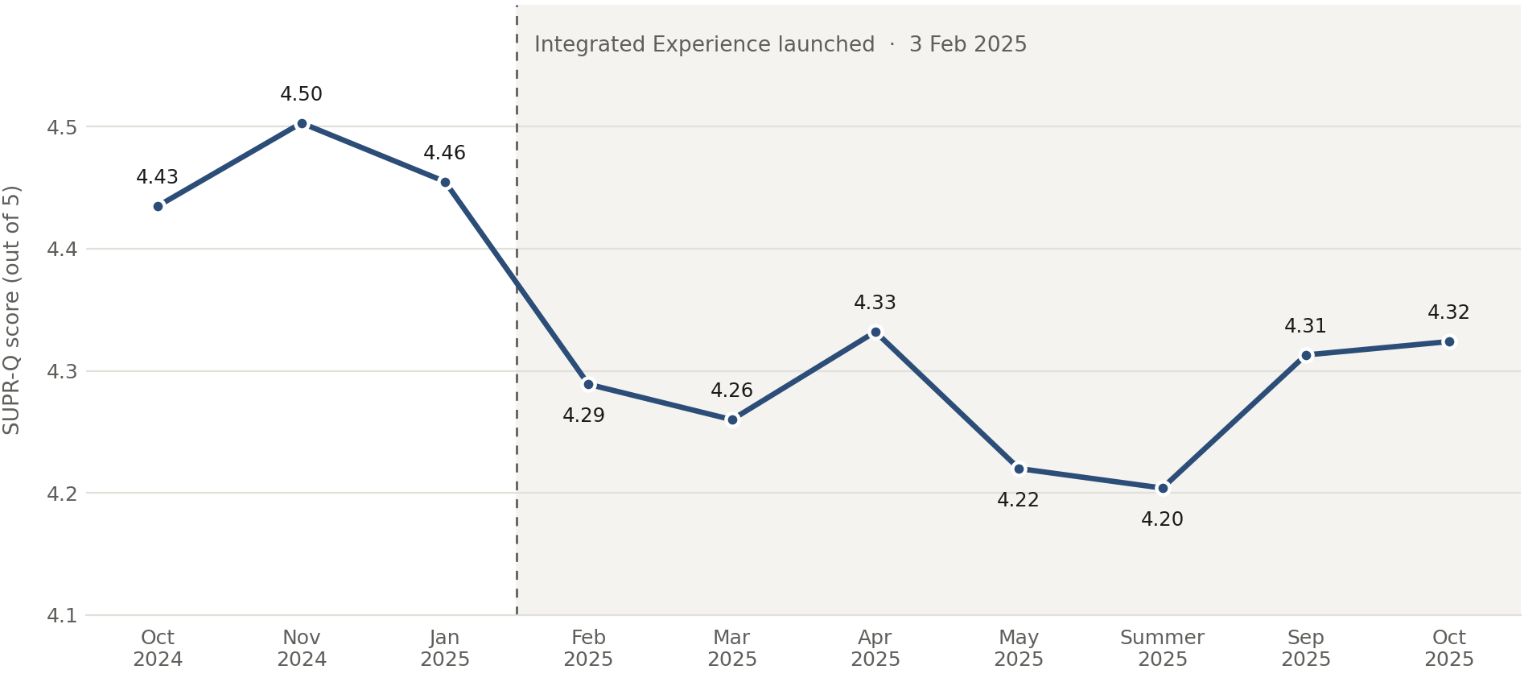
We accepted a satisfaction dip, so I designed a gentle way in
Our Director of Product warned leadership that satisfaction scores would drop. We accepted that cost to sell one product. I proposed 3 months of opt-in with a way back, then a firm switch before back-to-school.
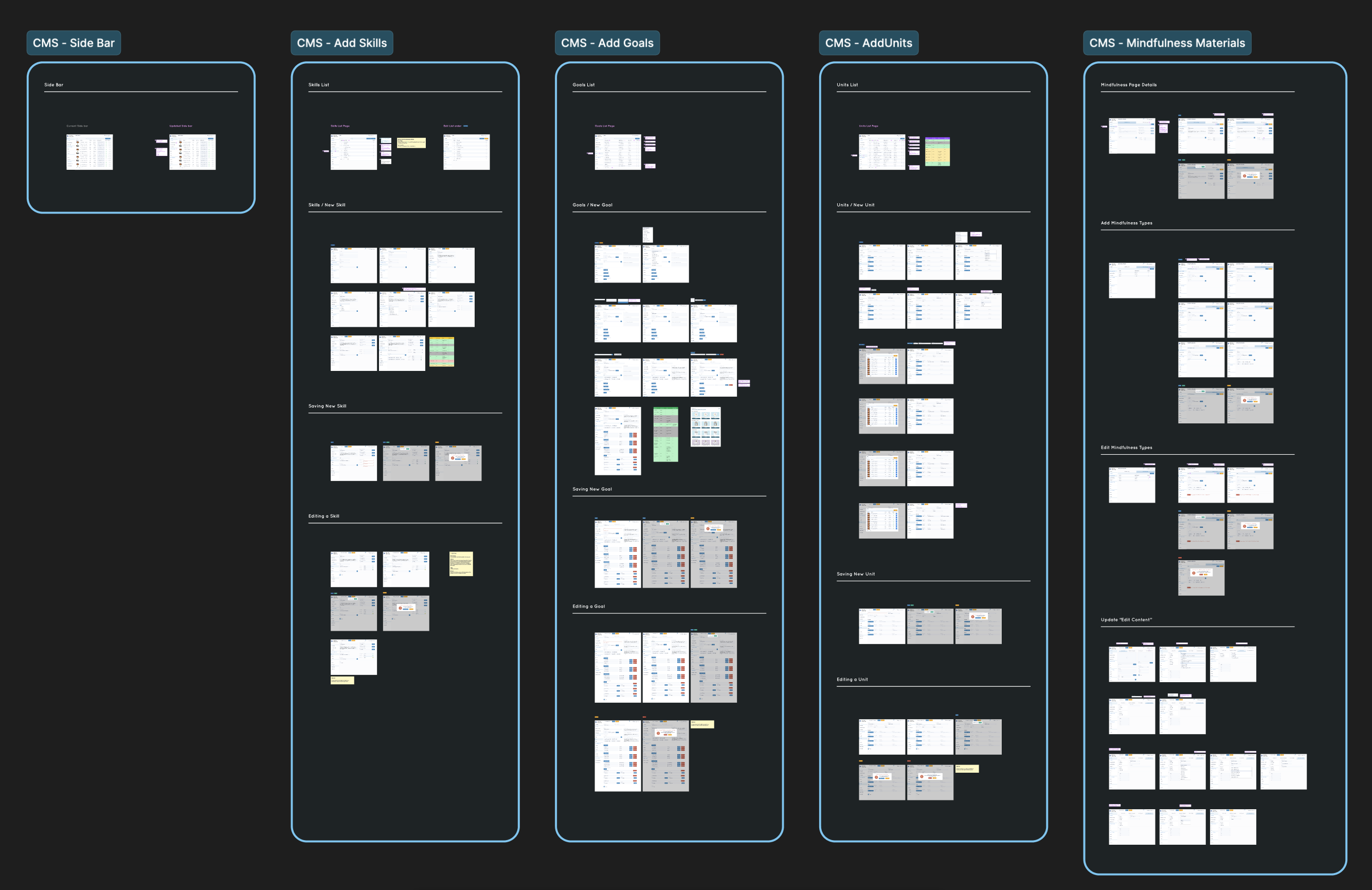
Our clinicians' publishing tool needed an update but didn't make the MVP
Clinicians publish new lessons on their own through our CMS, which needed an update for the new curriculum structure. I wrote the specs, but with a short timeline and 5 engineers, it missed launch. For launch, engineers uploaded lessons by spreadsheet, and I logged the CMS update as tech debt so it wouldn't quietly disappear.
Retrospective
Serving both the business and educators at once
Leadership needed one product, and educators needed routines that still worked after the switch. Holding both changed how I approach big releases.
Judge big changes by behavior
Satisfaction surveys tend to hear from the extremes, especially after a big change. During opt-in we read them for real blockers, and the 7.6% switch-back rate told us more.
Plan how people arrive, too
Leadership set the destination, and my job was getting about 55,000 users there without anyone getting lost. I now plan the release alongside the screens.